
Who Is a Candidate for Dental Bridges in Rock Hill, SC? Dentist’s Guide
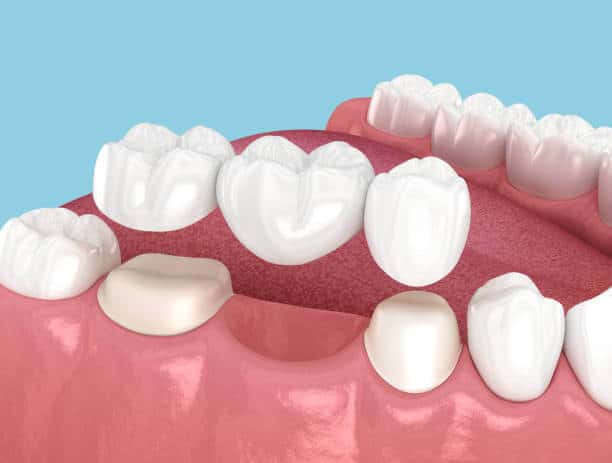
A dental bridge is a fixed restoration that replaces one or more missing teeth by anchoring to nearby healthy teeth. It restores your bite, speech, and confidence while maintaining the natural shape of your face. Patients in Rock Hill often choose bridges when they want a durable, natural-looking solution without the need for surgery.
At Urban Dental Care, we help patients decide if a bridge is the right fit through careful examination and personalized treatment planning. This guide explains who qualifies for a dental bridge, which health factors affect eligibility, and what alternatives may work better for specific needs.
What Makes a Good Candidate for a Dental Bridge in Rock Hill
A good candidate for a dental bridge typically has one or two missing teeth and strong natural teeth on each side of the space. These supporting teeth, called abutments, must be healthy enough to hold the bridge securely in place. Healthy gums are equally important since the bridge relies on firm tissue support for long-term stability.
Dentists also check for good oral hygiene habits. Patients who brush and floss regularly tend to maintain their bridges longer. People who smoke or skip routine cleanings are more prone to gum irritation and decay near the supporting crowns.
Most bridges are made of porcelain, zirconia, or porcelain fused to metal. Porcelain and zirconia offer a natural look that blends with surrounding teeth, while metal-ceramic bridges add extra strength for back teeth. Your dentist will recommend the best material based on where the bridge will be placed and your bite pattern.
Other key factors that make someone a strong bridge candidate include:
- Missing one to two teeth in a row.
- Healthy, decay-free abutment teeth.
- Stable bite alignment and good bone support.
- Commitment to regular dental checkups and cleanings.
- Non-smoker or willing to reduce smoking for oral health.
For Rock Hill patients, Urban Dental Care uses modern imaging and precise measurements to design bridges that feel natural and comfortable from the first day of wear.
Health Conditions That Affect Bridge Eligibility in Rock Hill
Some oral and general health conditions can affect whether a bridge is suitable or how well it lasts. Gum disease, bone loss, or weakened anchor teeth can make it difficult for the bridge to stay secure. Our dentist always performs a full evaluation before recommending treatment to make sure your foundation is strong enough for long-term success.
Gum disease is one of the most common factors that delay bridge placement. When gums are inflamed or infected, the tissue cannot support the crowns or bridge properly. Treating gum disease first helps prevent future complications and improves the fit and lifespan of the bridge.
Bone loss is another concern, especially for patients who lost teeth years ago. Without stimulation from chewing, the jawbone can thin over time. In those cases, your dentist may suggest a bone graft or a dental implant to rebuild strength before a bridge can be placed.
Weak or decayed anchor teeth can also affect eligibility. These teeth may need crowns or fillings to restore their structure before supporting a bridge.
Urban Dental Care uses digital X-rays and 3D scans to assess bone and gum health precisely, allowing for accurate treatment planning that fits each patient’s situation.
Can patients with gum disease get bridges in Rock Hill?
Patients with gum disease can still receive a dental bridge, but only after the infection is treated and gums have healed. Active gum inflammation can cause the bridge to loosen or fail over time. Once the gums are healthy, a bridge can be placed safely to restore both appearance and function. Regular cleanings and checkups at Urban Dental Care help keep gum health stable after treatment.
Are dental bridges safe for diabetics in Rock Hill?
Dental bridges are safe for diabetic patients who maintain controlled blood sugar levels. Good oral hygiene and stable health allow proper healing and long-term success. Our dentist monitors gum conditions closely and works with each patient’s medical provider if needed to maintain consistent care and minimize risk.
Alternatives for Patients Not Suited for Bridges in Rock Hill
If you’re not a good candidate for a dental bridge, your dentist will recommend other ways to restore your smile. The most common alternatives are dental implants and partial dentures. Each option has unique benefits in terms of comfort, appearance, and cost.
Dental implants replace missing teeth from the root up. They prevent bone loss and can last decades with proper care. Implants are ideal for patients with strong bone structure and good overall health who prefer a fixed, surgical solution.
Partial dentures are removable and more affordable. They are often used when several teeth are missing or when the gums or supporting teeth aren’t strong enough for a bridge or implant.
Below is a quick comparison of these tooth replacement options:
| Option | Durability | Comfort | Maintenance | Cost Range |
|---|---|---|---|---|
| Dental Bridge | 10–15 years | Fixed, natural feel | Regular cleaning | Moderate |
| Dental Implant | 20+ years | Feels like natural tooth | Regular hygiene | Higher |
| Partial Denture | 5–8 years | Removable | Requires cleaning after meals | Lower |
At Urban Dental Care, dentists explain the advantages of each solution and help patients choose based on their oral health, goals, and lifestyle. Whether it’s a traditional bridge or an implant, the goal is to restore chewing comfort and a confident smile.
FAQs About Dental Bridge Candidacy in Rock Hill
Can children get dental bridges?
Bridges are generally recommended for adults. Children and teens are still growing, so their jaw and tooth structure continue to change. For young patients, space maintainers or temporary options may be used until growth is complete.
Can I get a bridge if I’ve had extractions years ago?
Yes, many patients can still get a bridge years after extractions, provided the jawbone and gum tissue are healthy. If bone loss has occurred, your dentist may recommend bone grafting or a dental implant to support the bridge properly.
Do I need crowns on both sides of the gap?
Traditional dental bridges usually require crowns on both sides of the missing tooth. These crowns act as anchors, holding the false tooth securely in place. Some patients may qualify for a Maryland bridge, which uses a thin metal or porcelain wing bonded to the back of nearby teeth instead of full crowns.
Find Out if You’re a Candidate for a Bridge in Rock Hill
If you’re missing one or more teeth, a dental bridge could be the right solution to restore your smile. A bridge fills the gap, helps maintain your bite alignment, and prevents nearby teeth from shifting. Bridges are custom-made for comfort and natural appearance, allowing you to eat and speak with confidence again.
At Urban Dental Care, our team uses modern tools and a gentle approach to help patients in Rock Hill and nearby areas make informed choices about their dental care. During your consultation, you’ll receive a full oral exam and a treatment plan tailored to your goals.
Schedule an appointment to learn whether you’re a good dental bridge candidate. Our experienced restorative team is ready to help you restore your smile with precision and care.