
Problems with Dental Bridges: What Rock Hill Patients Should Watch For
Dental bridges are one of the most reliable ways to replace missing teeth and restore a confident smile. However, like any dental work, they can develop problems over time if not properly maintained. Understanding common bridge complications helps patients in Rock Hill protect their investment, avoid pain, and extend the life of their restorations.
At Urban Dental Care, we design and maintain custom dental bridges that look natural and feel comfortable. If you notice pain, looseness, or other changes in your bridge, knowing what to watch for, and when to visit your dentist, makes a big difference in long-term oral health.
Common Problems with Dental Bridges in Rock Hill
Common dental bridge problems include looseness, gum irritation, decay under crowns, and breakage. Recognizing these issues early helps prevent more serious damage and ensures your bite remains stable and comfortable.
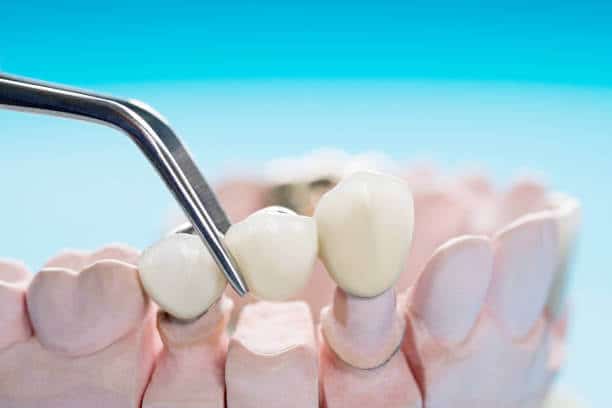
A dental bridge connects one or more replacement teeth (called pontics) to neighboring healthy teeth or implants. While bridges are durable, daily use, chewing pressure, and time can cause wear. Here are some of the most frequent problems Rock Hill patients experience:
1. Loose Bridge
A loose dental bridge often occurs when the bonding cement weakens or the supporting teeth shift slightly. You may feel movement when chewing, notice gaps forming, or experience discomfort around the bridge. This looseness can allow bacteria to enter, leading to irritation or decay beneath the crowns.
2. Decay Under Crowns
Even though bridges are made from strong materials, decay can still form under the crowns that hold the bridge in place. If food particles or bacteria get trapped around the edges, they can erode enamel or cause infection. Regular checkups and professional cleanings help your dentist identify early signs before pain develops.
3. Gum Irritation or Infection
Inflamed or tender gums often signal trapped debris or a poor bridge fit. Gum irritation under a bridge can progress to infection if ignored. Maintaining excellent hygiene with floss threaders or a water flosser helps keep the area clean and bacteria-free.
4. Broken or Cracked Bridge
A broken dental bridge can happen when chewing hard foods, grinding teeth, or after several years of use. Cracks not only affect appearance but can compromise the bridge’s stability. If a bridge breaks, avoid using that side of your mouth and contact your dentist right away for repair.
Warning Signs of Bridge Problems:
- Sensitivity or pain when biting
- Shifting or uneven bite
- Visible crack or looseness
- Gum swelling or redness
- Persistent bad taste or odor
Urban Dental Care’s restorative team can repair, re-cement, or replace damaged bridges to restore comfort and function safely.
How to Spot Dental Bridge Complications in Rock Hill
Pain, shifting bite, or trapped food can indicate bridge complications. Early detection helps Rock Hill patients avoid complete replacement or advanced infection.
Dental bridges can fail for several reasons, but they rarely do so without warning. Recognizing the symptoms early allows for simpler, less costly treatment.
Pain and Sensitivity
If you feel nerve pain under your dental bridge, it may signal decay beneath the crowns or infection in the supporting tooth. Sensitivity to hot or cold foods often occurs when the bridge no longer seals tightly against the gumline. These are early signs to book a checkup before the issue worsens.
Shifting Bite or Movement
If your bite feels uneven or your bridge no longer aligns smoothly with nearby teeth, it may have shifted slightly. Over time, natural wear or bone changes can affect the bridge’s stability. A professional adjustment or re-cementing restores proper alignment and comfort.
Hygiene Changes or Odor
A bad taste, odor, or persistent food buildup can suggest a gap forming beneath the bridge. These signs may also point to dental bridge infection symptoms, often caused by trapped debris and bacteria. Regular cleanings and early exams are key to preventing larger complications.
Urban Dental Care uses digital X-rays and intraoral imaging to assess the health of your bridge, anchor teeth, and gums. These tools help detect problems that may not be visible or painful yet.
Why Does Food Get Stuck Under My Bridge in Rock Hill?
Food often gets stuck under a dental bridge when gums recede, cement wears away, or the bridge no longer fits snugly. Over time, natural gum changes can create small pockets where food collects.
To reduce buildup:
- Use floss threaders or interdental brushes to clean underneath the bridge.
- Add a water flosser to your daily routine for deeper cleaning.
- Schedule professional cleanings every six months to check for fit and hygiene issues.
If trapped food causes gum irritation under your bridge or a lingering odor, your dentist can reseal or adjust it for a tighter fit. Avoid sharp objects or DIY fixes that can damage the surface or gums.
Why Does My Dental Bridge Feel Loose?
A bridge may feel loose if the bonding cement weakens or the anchor teeth have shifted slightly. Sometimes, normal chewing pressure or age-related bone changes can also affect fit.
While it may be tempting to search “how to fix a loose dental bridge at home,” avoid doing so, home remedies often worsen damage. Instead, contact your dentist immediately.
Your provider can safely remove, clean, and re-cement the bridge using professional-grade tooth bridge cement to restore a secure hold and normal bite alignment.
Preventing Problems with Dental Bridges in Rock Hill
Proper hygiene, gentle care, and regular dental visits can keep your bridge strong and problem-free for many years. At Urban Dental Care, we focus on prevention to help patients protect their restorations.
Daily Care Tips for Bridge Maintenance
- Brush twice daily with fluoride toothpaste, paying special attention to bridge margins.
- Floss underneath the bridge using a threader or water flosser to remove hidden debris.
- Avoid chewing ice, nuts, or hard candy that could crack your bridge.
- Rinse with an antibacterial mouthwash to reduce bacteria buildup.
- Visit your dentist every six months for professional cleaning and fit evaluation.
Bridges typically last between 10–15 years with proper care. Regular exams allow your dentist to check supporting teeth and detect wear early. Urban Dental Care’s preventive team provides gentle cleanings and maintenance to help every patient maintain a healthy, lasting smile.
FAQs About Bridge Problems in Rock Hill
Can a dental bridge be repaired or must it be replaced?
Many bridges can be repaired or re-cemented if the structure remains intact. If the bridge has loosened, your dentist may carefully remove and reset it. In cases where there’s damage to the anchor teeth, full replacement may be needed. Only a dental professional should determine whether a bridge can be removed and re-cemented safely.
Do dental bridges ever fall out?
Yes, bridges can occasionally loosen or fall out if the cement breaks down or the bite changes significantly. If your bridge detaches, keep it safe, avoid chewing on that side, and contact Urban Dental Care immediately for professional repair. Never attempt to glue it back yourself, over-the-counter adhesives can damage your teeth.
What if my bridge breaks on the weekend in Rock Hill?
If your bridge breaks unexpectedly, avoid chewing on that area and rinse gently with salt water to reduce irritation. Urban Dental Care offers same-day emergency appointments to relieve discomfort and assess whether repair or replacement is needed. Visit our Emergency Dentistry page for quick support.
Get Help with Bridge Problems in Rock Hill
If your bridge feels loose, painful, or damaged, it’s best not to wait. Urban Dental Care in Rock Hill provides safe, gentle bridge repair and replacement options, often available the same week.
Our team combines precision technology with patient comfort to restore your smile’s function and confidence. Whether you need re-cementing, repair, or full replacement, we’ll find the right solution for your needs.
Serving Rock Hill, Newport, Fort Mill, and nearby communities, we’re here to help you maintain a strong and lasting smile.
Schedule your bridge evaluation today or learn more about our Restorative Dentistry services.